Talking to kids about being trans
Talking to kids about being trans involves using simple, age-appropriate language, focusing on authenticity, and providing unconditional love and support. Key approaches include normalizing gender diversity, affirming their identity by using correct names and pronouns, and creating a safe space for open dialogue.
Key Strategies for Conversations
Keep it simple and direct: Explain that for some people, the gender they are assigned at birth does not match who they know themselves to be inside.
Affirmation is key: Listen and validate their feelings without judgment, letting them lead the conversation.
Normalize difference: Explain that gender expression (clothes, hair, toys) doesn't have to match stereotypes, and that everyone has their own unique identity.
Follow their lead: Use the name and pronouns they prefer. This simple act of respect is one of the most powerful ways to show support. No one trans journey is the same. Support them to go on their own journey.
Respect their privacy: Discuss who they want to tell and when. Let them control their own information and "coming out" timeline.
Reassure them of your love: Immediate and repeated verbal reassurances that they are loved exactly as they are can significantly boost their mental health and resilience.
Where to Find Support
If you're looking for guidance, these organisations provide excellent resources for families:
Transcend Australia: National peer support and resources for families.
Parents of Gender Diverse Children (PGDC): Offers small group support and advocacy for parents.
QLife: Anonymous and free LGBTI peer support via phone and webchat.
PFLAG: A global network for parents, families, and allies of LGBTQ+ people.
Local community organisations and groups.
General Tips for the Conversation
Use age-appropriate tools: For younger children (ages 3–8), picture books like The Gender Fairy, Red: A Crayon's Story, or It Feels Good to be Yourself can help bridge the gap.
Keep it ongoing: Talking about gender shouldn't be a one-time "big talk". Open, light, and regular check-ins help children feel safe to share their evolving thoughts.
Model inclusive language: Use gender-neutral terms like "children" instead of "boys and girls" and explain that everyone—regardless of gender—deserves to be treated with kindness.
Our Team and Queer and Diverse pathways can support you with those conversations.
Note: we are a social enterprise and our volunteer capacity is limited but we can connect you with local groups who can support you if you do not have funding.
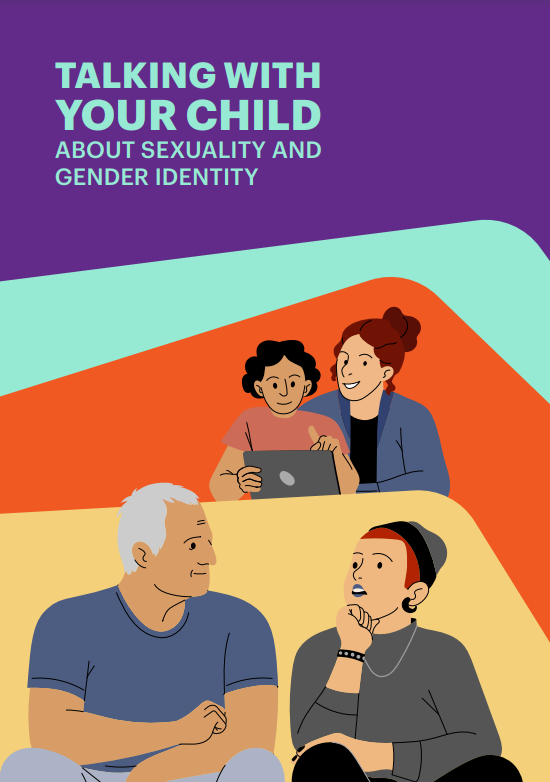
Talking with your Child PDF
www.humanrights.vic.gov.au released a pdf document to support parents having conversations with their children who are coming out as trans. Click the image to link to their PDF.
